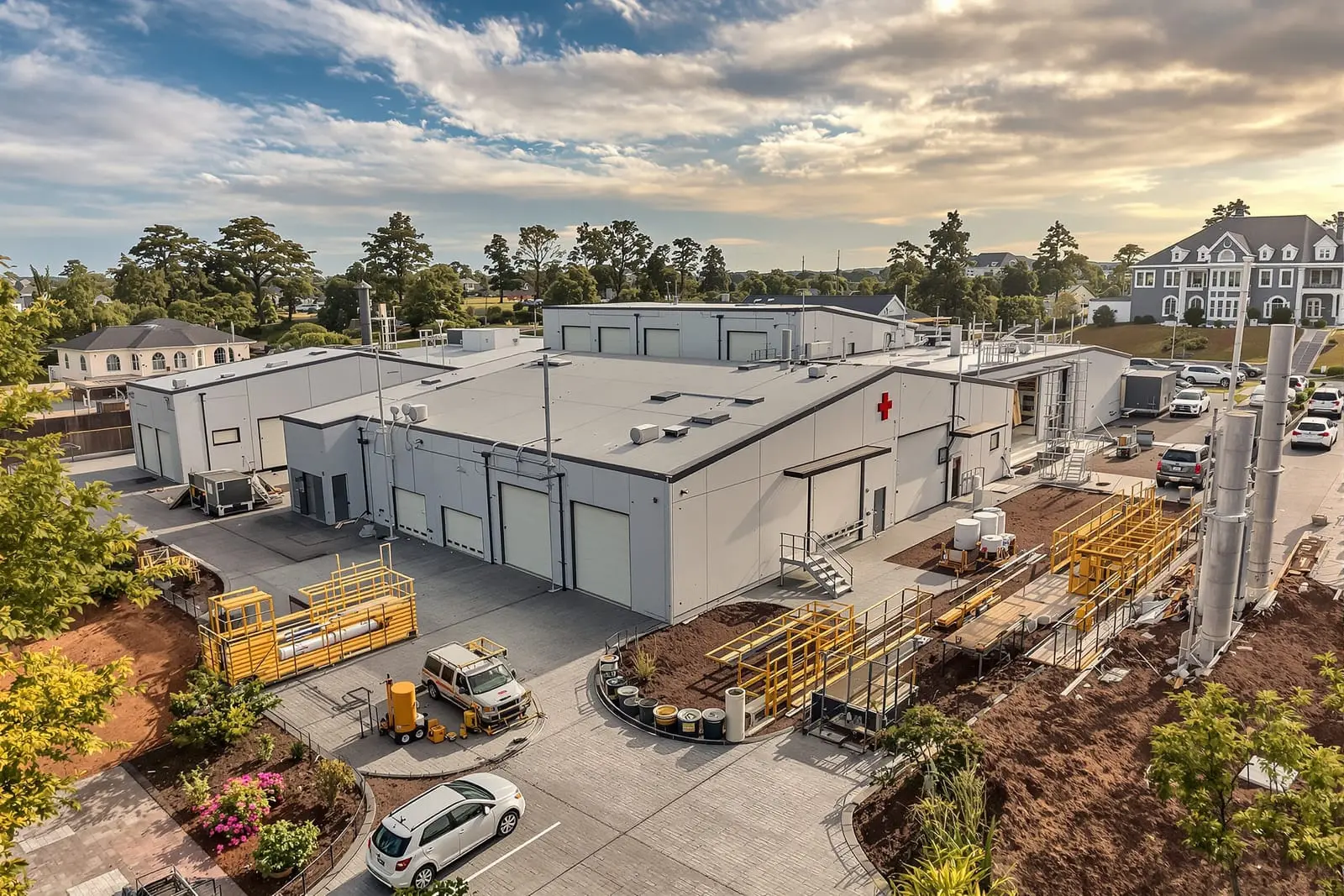
We manage plant decommissioning in Dallas, TX for manufacturing, processing, and industrial facilities. Our team inventories and removes equipment, dismantles process lines and utilities, and demolishes structures as needed. With detailed planning, documentation, and recycling, we help owners close or repurpose plants safely and efficiently.
Wrexo Demolition Dallas provides professional plant decommissioning throughout Dallas, TX and the surrounding area. Our licensed, insured crew delivers safe, clean, on-time work with a free estimate before anything begins. Call (469) 405-5299 or request your free quote.
Plant Decommissioning in Dallas, Done the Right Way
Shutting down an industrial plant in Dallas is a big step, and it affects safety, budgets, and future use of the property. At Wrexo Demolition Dallas, we treat plant decommissioning as a carefully planned project, not just a demolition job.
When you call us, we start with a detailed site walk. We look at your process lines, mezzanines, tanks, structural steel, electrical rooms, and any specialized equipment. We ask how the site was used, what materials were handled, and what your end goal is. Some Dallas clients want the building cleared but left standing for a new tenant. Others want a full teardown to dirt for redevelopment.
We then create a written decommissioning plan that is tailored to your plant, not copied from another job. It covers sequence of work, isolation of utilities, environmental considerations, traffic and trucking routes, and how we will separate scrap metals and waste. You get a clear schedule and a realistic cost range before we mobilize.
Because we work only in the Dallas area, we are familiar with local utility providers, scrap markets, and disposal facilities. That local knowledge matters for both scheduling and cost control, especially when a project is squeezed between a lease end date and a property sale.
Step by Step: How Decommissioning and Dismantling Actually Works
The real work of plant decommissioning starts with making the site safe. Wrexo Demolition Dallas coordinates with your team and local utilities to lock out and verify disconnection of power, gas, water, process lines, and compressed air. In older facilities around Dallas, we often find abandoned live circuits or unknown water feeds. We trace and label these, then physically verify isolation before any cutting or lifting begins.
Next, we handle residual materials. That might mean pumping out product from tanks, cleaning piping runs, or managing remaining powders and sludges. If you have environmental consultants involved, we work directly with them to follow their sampling and cleaning protocols. If you do not, we can recommend local firms we have worked with on chemical plants, food processing plants, and manufacturing facilities across the Metroplex.
Once the plant is safe and cleaned to the agreed level, we move into selective dismantling. Crews remove conveyor systems, racking, silos, reactors, ovens, chillers, boilers, dust collectors, and other major components in a planned order. We use a mix of torches, concrete saws, high reach excavators, and forklifts or cranes, depending on ceiling height and access.
We separate materials as we go. Carbon steel, stainless, copper, aluminum, and insulated wire are sorted into different bins. This detail can materially reduce your net cost, especially on plants with heavy stainless or copper content, such as food and beverage or refrigeration facilities.
Finally, we address building elements. That may include removing interior pits and equipment pads, patching concrete, cutting and capping floor drains, or taking out structural steel and roofing if the building itself is being demolished. Throughout the project we maintain housekeeping so the site stays workable and safe instead of turning into a scrap pile.
Costs, Timelines, and What Drives Your Price
Clients in Dallas often ask why two plants of similar size can have very different decommissioning costs. The answer is that square footage is only one piece of the puzzle. Wrexo Demolition Dallas walks you through the real cost drivers before you approve the work.
Complexity of equipment layout has a big impact. Tight mezzanines, overhead process piping, and equipment jammed into low clearance areas require more hand work and rigging time than open floor layouts. Multi level structures or rooftop units that need crane picks will also increase cost.
Material types matter as well. A plant full of heavy structural steel, stainless tanks, and thick gauge pipe often yields enough scrap value to offset a noticeable portion of the project cost. On the other hand, facilities that are mostly light gauge framing, plastics, and mixed waste produce less scrap revenue and more disposal cost.
Environmental conditions can be another major variable. If your Dallas plant handled hazardous chemicals, produced dust that may contain metals, or has suspect insulation or coatings, we may need to coordinate abatement or special handling. We can build our work around your environmental contractor, or we can help you line up one that fits the scope.
Schedule is the last major cost driver. A compressed timeline to meet a sale closing or lease handover sometimes requires larger crews, additional equipment, or night and weekend shifts. We will show you a baseline schedule and then the cost impact if you need it accelerated, so you can decide which path makes the most sense for your situation.
Local Factors for Dallas Plant Owners and Managers
Plant decommissioning in Dallas comes with some very specific local considerations that are easy to miss if you are using a contractor from outside the area. Wrexo Demolition Dallas deals with these issues routinely, which helps avoid delays.
Truck routing and haul off are a good example. Many Dallas plants sit along busy corridors such as I 35E, I 30, or in older industrial zones near downtown. Timing scrap and debris loads to avoid rush hour, school zones, and special events at nearby venues is not just about convenience. It can affect how many loads we can move in a day, which in turn affects your schedule.
Permitting and inspections are another local factor. Depending on where in Dallas your plant is located, you may fall under different zoning rules, fire marshal requirements, or city inspection schedules. For example, dismantling in an active industrial park usually means tighter coordination with neighboring businesses and more attention to shared access roads and utilities. We handle the demolition related permitting and coordinate with your team on any additional approvals tied to your specific industry.
Weather is also worth mentioning for Dallas projects. High summer heat affects cutting operations, worker productivity, and dust control. We plan around this with shift timing, extra hydration breaks, and additional water trucks or misting when a lot of concrete is being broken. During storm seasons we secure standing steel, open roofs, and tall equipment so sudden storms do not create hazards or damage adjoining properties.
If your plant is near residential areas in places like West Dallas or Oak Cliff, we can implement noise and dust mitigation steps, such as limited work hours, alternative cutting methods for sensitive times of day, and additional site screening.
How Wrexo Demolition Dallas Manages Risk and Keeps You Informed
Plant decommissioning involves real risk if it is not managed properly. Our approach at Wrexo Demolition Dallas is to identify those risks upfront and then show you how we are going to control them, rather than hiding them in the fine print.
Before heavy work begins, we produce a site specific safety and work plan. It covers fall protection for elevated work, equipment separation from pedestrian areas, hot work procedures for torch cutting, and emergency response steps. We hold daily briefings with our crews and any of your staff who need to be in the work zone.
We also put strong emphasis on communication. You get a primary contact who is on site, not just in an office. They provide regular updates on progress, surprises found behind walls or in ceilings, scrap tonnage, and any changes that might affect cost or schedule. For many Dallas clients, we create simple weekly reports with photos so remote decision makers can stay in the loop.
If part of your plant is still operating while another part is being decommissioned, we set up clear physical separations and signage. We can phase work to keep critical operations accessible and utilities intact as long as needed.
At project closeout, we walk the site with you and your landlord or buyer if you want us to. Together we confirm that equipment, embeds, pits, and penetrations have been removed or finished to the agreed standard, and that scrap and debris are gone. You receive documentation of disposal tickets and scrap weights, which can be important for internal audits or environmental records.
If you are planning a plant closure or major equipment removal anywhere in the Dallas area, we invite you to talk through your scope with us early. A short planning call can often save weeks of headaches later and can help you budget your plant decommissioning more accurately.
“
Professional plant decommissioning and dismantling, done right the first time, quality materials, honest pricing, and results that last.
Wrexo Demolition Dallas
Plant Decommissioning and Dismantling Across Our Service Area