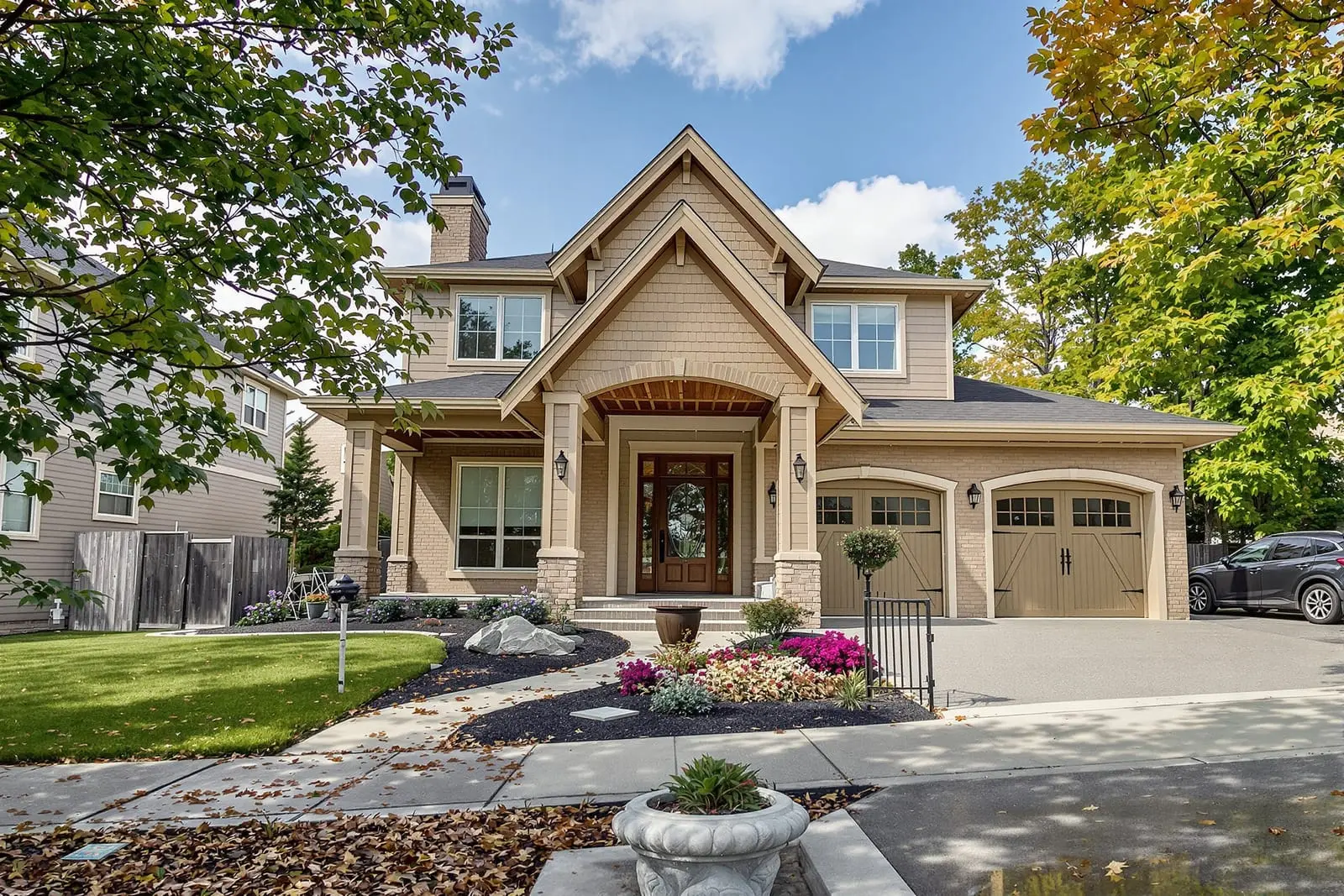
Our residential deconstruction services in Dallas, TX focus on salvaging reusable materials before demolition. We carefully dismantle structures, saving doors, windows, fixtures, and lumber for reuse or donation. This approach reduces waste and can provide tax benefits while still preparing your property for renovation or new construction.
Wrexo Demolition Dallas provides professional residential deconstruction throughout Dallas, TX and the surrounding area. Our licensed, insured crew delivers safe, clean, on-time work with a free estimate before anything begins. Call (469) 405-5299 or request your free quote.
Residential Deconstruction in Dallas Done the Right Way
Residential deconstruction is not just slower demolition. It is a careful, planned process where materials are removed so they can be reused, sold, or donated instead of going straight to a landfill. Wrexo Demolition Dallas focuses on residential salvage and deconstruction for homeowners, investors, and small builders who want to keep usable materials out of the dump and protect what they want to keep.
In Dallas, this approach makes sense for older homes with solid wood framing, real hardwood flooring, cast iron tubs, and vintage brick. Instead of crushing everything with heavy machinery, our crews hand strip and selectively dismantle so those materials can be reclaimed. You end up with a cleaner site, more value recovered from your property, and often lower disposal costs compared to a traditional tear down.
Our team lives and works in the Dallas area, so we understand local construction styles, soil conditions, and permitting. Whether you are updating a M‑streets bungalow, taking down a small rental in Oak Cliff, or preparing a teardown lot in East Dallas, we tailor the deconstruction plan to the age, condition, and layout of your specific house.
Step‑by‑Step: How We Approach Residential Deconstruction
Every residential deconstruction project with Wrexo Demolition Dallas starts with a site visit. We walk the interior and exterior, note structural details, identify salvageable materials, and listen to what you want to preserve, such as trees, fences, neighboring structures, or specific interior features. We also confirm access for trucks, dumpsters, and material storage, which can be tight in older Dallas neighborhoods.
Next, we create a written deconstruction plan. This covers the order of work (for example, interior finishes, then fixtures, then mechanicals, then framing), the salvage targets, safety measures, and the approximate schedule. For many Dallas homes we start in rooms with the easiest salvaged items, like doors, light fixtures, and cabinet sets, then move to flooring and framing.
On site, the crew disconnects and verifies shutoff of utilities. We coordinate with your utility providers when needed. After that, we remove interior items by hand: appliances, cabinets, countertops, doors, trim, built‑ins, and bathroom fixtures. Materials designated for salvage are carried out, sorted, and either stacked on site or loaded for delivery to local reuse outlets.
Once the interior is stripped, we take up flooring, remove windows and roofing for salvage where feasible, and then move to the framing. Framing deconstruction is done systematically so the structure stays stable until the final stages, which is especially important during North Texas storm season. When structural removal is complete, we load non‑recoverable debris for disposal and rough grade the lot if that is in the scope.
What Can Be Salvaged From Dallas Homes
The salvage potential of a Dallas home depends on age, prior renovations, and water or termite damage. Wrexo Demolition Dallas has deconstructed everything from post‑war cottages in Casa View to 1980s ranches in Richardson, so we have a realistic sense of what is worth saving.
Commonly salvaged items include interior and exterior doors, cabinet sets, hardwood flooring, dimensional lumber (especially older 2x lumber and long beams), brick, stone, and architectural trim. In many older Dallas neighborhoods, longleaf pine or dense fir framing can often be reclaimed, which is highly sought after for custom furniture and feature walls. Original shiplap, found behind drywall in many early 20th century homes, can sometimes be removed intact and reused.
We also regularly salvage vintage bathroom fixtures, clawfoot or cast iron tubs, solid surface or stone countertops, and quality newer windows. Items that do not make sense to save, such as low grade particleboard or water swollen MDF trim, are sorted for proper disposal or recycling where options exist.
Part of our service is helping you decide what is realistically valuable. During the planning visit we flag materials likely to bring resale or donation value and identify those that are better off recycled or discarded so expectations are clear before work begins.
Local Conditions That Affect Your Deconstruction Project
Dallas presents some specific conditions that matter for residential deconstruction. Many homes sit on pier and beam foundations with tight crawlspaces, which can make utility shutoffs and structural access more involved. Expansive clay soils can cause uneven settling, so our crews pay attention to structural stability as framing members are removed, especially on older or visibly out of level houses.
Weather is another factor. Summer heat and sudden storms are typical here. Wrexo Demolition Dallas sequences work so that open roof or wall conditions are minimized and tarps are available if a pop‑up thunderstorm rolls through. We also plan noisy or dustier tasks within City of Dallas guidelines to avoid issues with neighbors.
Access can be tight in areas like Lower Greenville or Bishop Arts where alleys and narrow drives limit equipment size. In those cases we rely more on hand work and smaller trucks, and we schedule debris and material pickups to avoid blocking streets during peak traffic or school pickup times. We talk with you about your specific street, school zones, and HOA rules before we start.
Finally, Dallas has a mix of original knob‑and‑tube wiring, galvanized plumbing, and modern mechanicals. Older systems require extra care during strip‑out so we do not create unexpected hazards. Our team is trained to recognize older systems and to stage removal in a way that keeps the structure and crew safe.
Permits, Codes, and Donation Documentation
Before any residential deconstruction, you will likely need a demolition or deconstruction permit from the City of Dallas or your local municipality. Wrexo Demolition Dallas can assist with the application process, provide the site plan or scope description the city requests, and coordinate necessary inspections. If asbestos or lead paint testing is required, we can connect you with licensed testing firms and schedule work after clearance.
For homes built before the late 1970s, we assume the possibility of lead paint on trim and doors. We follow containment and handling practices that meet regulatory expectations and keep dust to a minimum. If asbestos containing materials are identified, such as old floor tile, pipe wrap, or certain siding, those components must be removed by a licensed abatement contractor before our deconstruction work touches them.
Many property owners are interested in donating salvageable materials to local nonprofits for a potential tax deduction. We coordinate with Dallas area reuse organizations and can stage materials for pickup or deliver them as part of our service. When donation receipts are provided by the nonprofit, we ensure you receive them and that they list the major categories of donated items so your tax professional has clear documentation.
Cost Drivers and How To Control Your Budget
Residential deconstruction is more labor intensive than a straight mechanical demolition, but in Dallas it can still be cost effective when you consider disposal savings and potential salvage value. The main cost drivers are house size and complexity, number of stories, accessibility for trucks and dumpsters, amount and type of salvage requested, and the presence of hazardous materials like asbestos.
Hand removal of interior finishes and fixtures takes time, so a 3,000 square foot Lakewood home with custom built‑ins will cost more to deconstruct than a small single story rental with basic finishes. Tight lots that prevent close dumpster placement will also increase labor, because debris must be moved farther by hand or with smaller equipment.
Wrexo Demolition Dallas helps you control costs by prioritizing high value salvage and not spending crew time on low value, hard to reuse items. During planning we can present a couple of options, such as a full deconstruction focused on maximum salvage or a hybrid approach where only key materials are recovered and the remaining structure is taken down more conventionally. We provide clear written estimates that separate deconstruction labor, hauling, and optional services like material transport to a donor facility.
A common question in Dallas is whether you will save money on landfill fees. The answer depends on how much lumber, metal, brick, and fixtures can be diverted. We provide a realistic estimate of disposal reduction based on similar homes we have handled in your part of town so you can decide whether a deeper salvage effort fits your budget.
How to Prepare Your Home for Salvage and Deconstruction
Good preparation keeps your project on schedule and reduces surprises. Before Wrexo Demolition Dallas begins work, we ask that you remove all personal belongings, including items stored in attics, sheds, and crawlspaces. Anything left behind may be treated as debris, so walking the property together to confirm what stays and what goes is an important early step.
If there are items you want to keep as personal salvage, such as a specific door, a vintage light fixture, or landscaping elements, we tag those clearly during the walkthrough. We can help you safely remove and store them or build temporary protection around features that must stay in place next to the work area.
For projects in neighborhoods with close neighbors, it often helps to let them know about the schedule in advance. Deconstruction is generally quieter than heavy mechanical demolition, but there is still traffic and some noise. We set predictable working hours and keep the site as tidy as possible, with regular debris removal and material stacking that respects property lines.
Finally, think ahead about your next step for the lot. If a new build is planned, we can coordinate with your builder about how you want the site left, including tree protection, saved flatwork, or specific grading needs. Sharing your future plans during the estimate phase allows us to sequence the deconstruction so it supports your overall timeline and budget, not just the tear down itself.
“
Professional residential salvage and deconstruction, done right the first time, quality materials, honest pricing, and results that last.
Wrexo Demolition Dallas
Residential Salvage and Deconstruction Across Our Service Area