Home › Soft Strip and Pre-Renovation Demolition (Residential)
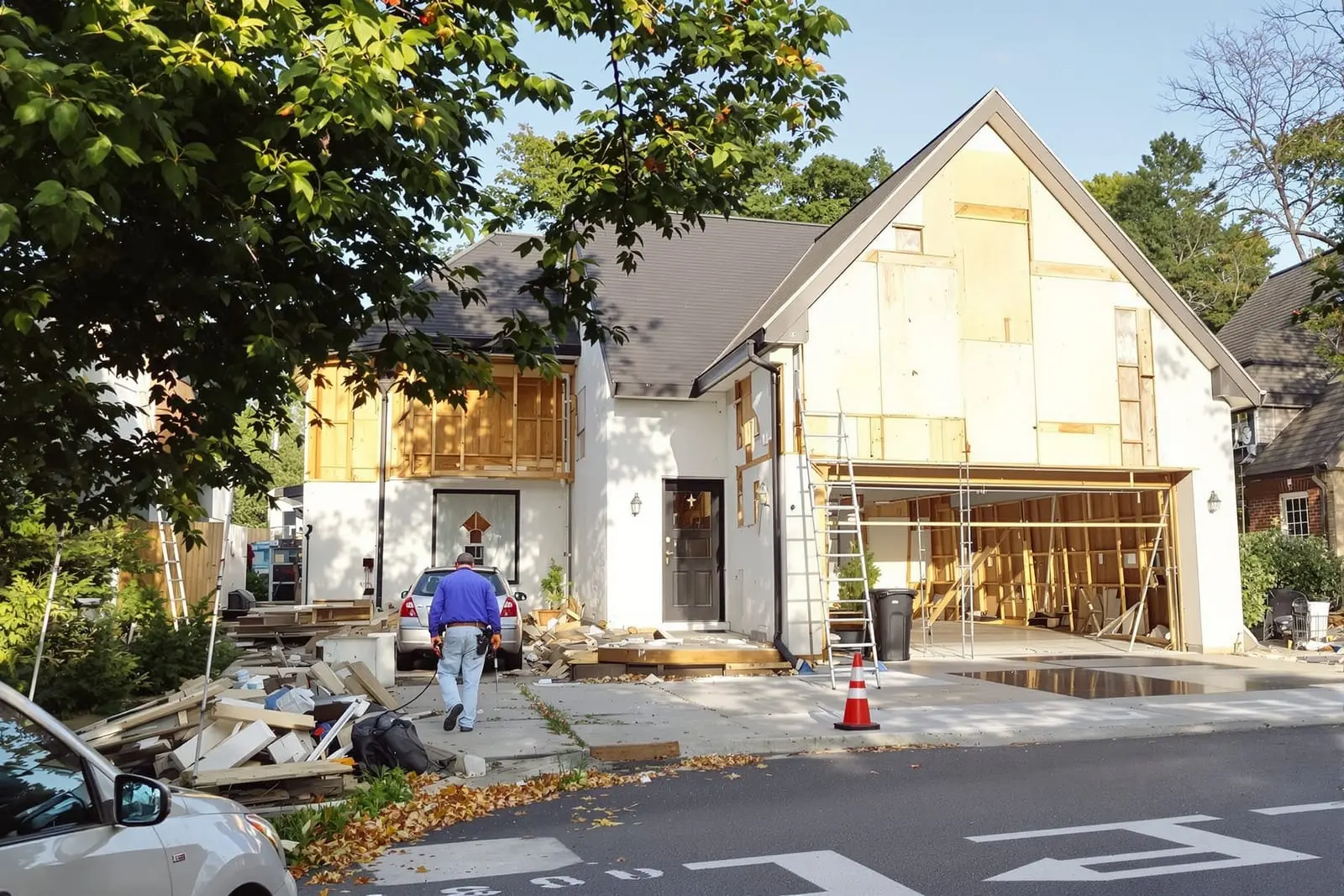
We provide soft strip demolition in Dallas, TX to prepare homes for renovation without disturbing structural elements. Our crew removes cabinets, flooring, ceilings, doors, fixtures, and non load bearing partitions. With careful protection and dust control, we leave a clean shell ready for your remodeling trades to begin work.
Wrexo Demolition Dallas provides professional soft strip demolition throughout Dallas, TX and the surrounding area. Our licensed, insured crew delivers safe, clean, on-time work with a free estimate before anything begins. Call (469) 405-5299 or request your free quote.
Soft strip demolition for Dallas homes getting ready for remodel
When you are remodeling in Dallas, the safest and most cost‑effective way to start is with soft strip demolition. Wrexo Demolition Dallas focuses on selective interior removal so your contractor receives a clean, structurally sound space to build in.
Soft strip demolition (also called pre‑renovation demo) means we remove non‑structural materials inside your home. This usually includes cabinets, countertops, interior doors, trim, flooring, tile, non‑load‑bearing walls, ceiling finishes, insulation, and outdated fixtures. We protect what needs to stay, like framing that supports the roof, plumbing lines that will be reused, and any surfaces the designer plans to keep.
Our team works in all types of Dallas houses and neighborhoods, from older bungalows in Oak Cliff and East Dallas to newer builds in Frisco and McKinney. We understand how to open up spaces without compromising the structure, and how to stage the work so your remodeler can start immediately after we finish.
What happens during a residential soft strip demolition
Before any material is removed, Wrexo Demolition Dallas walks your home with you and, if you prefer, with your GC or designer. We use tape or marking paint to label what is coming out and what must stay. This prevents accidental removal of important items like supply lines, electrical panels, or HVAC trunks.
Step 1: Site protection. We install floor protection from the entry door to the work area, cover railings, and plastic off non‑work areas. In condos or townhomes, we also protect common hallways and elevators and coordinate with building management on access and timing.
Step 2: Utility verification and shutoffs. We confirm that electrical circuits feeding demo areas are off at the panel, cap or temporarily support plumbing lines that will be reused, and check for gas lines behind ranges or fireplaces. In older Dallas homes, we expect surprises like cloth‑wrapped wiring or abandoned gas lines, and we treat every wall as a potential hazard until verified.
Step 3: Systematic removal. We usually start from the top down. Ceiling finishes and light fixtures, then upper cabinets and wall tile, then base cabinets and flooring. For walls, we remove trim, then drywall or plaster, then insulation. If a wall is non‑load‑bearing and scheduled to be removed, we open a test section first to look for hidden plumbing or electrical.
Step 4: Sorting and hauling. Debris is sorted as we go. Clean wood and metal are separated from mixed trash, which controls disposal cost and is better for the environment. For tight Dallas lots and narrow alleys, we plan dumpster placement so it does not block your neighbors or violate city right‑of‑way rules.
Step 5: Final prep for trades. We leave exposed framing, subfloors, and rough utilities clearly visible and swept. This makes it easier and faster for your framer, electrician, and plumber to do their layouts and inspections.
Common items we remove in Dallas pre‑renovation projects
Every house is different, but there are patterns we see across Dallas neighborhoods. Wrexo Demolition Dallas tailors soft strip demolition to the age and construction style of your home.
Typical kitchen soft strip includes: upper and lower cabinets, islands, backsplashes, countertops, sinks and disposals, appliances slated for replacement, soffits over cabinets, flooring, and most lighting. We can preserve appliances or fixtures you plan to reuse by disconnecting and carefully moving them to a garage or storage area.
In bathrooms, we remove vanities, tops, mirrors, medicine cabinets, tub or shower surrounds, shower doors, tile, and often the drywall behind wet areas. If the toilet is to be reused, we pull and reset it after floor work is complete, otherwise it is removed and hauled away.
Whole‑house interior soft strip may involve taking out non‑load‑bearing walls, paneling, closet systems, doors and frames, carpet, old tile, and certain ceilings. In many 1950s and 1960s Dallas homes, we encounter layer over layer of flooring. We plan for the time and equipment needed to remove these stacked materials without damaging your subfloor.
For additions and major layout changes, we coordinate with your engineer or contractor to confirm which walls are structural. We can remove interior masonry or chimney masses down to a safe level, but full chimney or structural removal is planned separately with engineering sign‑off.
Permits, rules, and local considerations in Dallas
For most interior soft strip demolition that does not change the structure or exterior, the City of Dallas does not require a stand‑alone demolition permit, but interior work is usually covered under your overall building or remodel permit. Wrexo Demolition Dallas can coordinate with your general contractor to ensure our scope matches what is listed on the permit set.
If the project involves removing load‑bearing walls, altering exits, or cutting new openings, those items must be shown on an approved plan with engineering details. We never remove structural members without written confirmation from your contractor or engineer.
Historic and conservation districts such as parts of Lakewood, M Streets, and Bishop Arts sometimes have extra rules for exterior elements and windows. Interior soft strip is typically more flexible, but we still check for any HOA or management guidelines about work hours, parking, and dumpster placement.
For condos, townhomes, and high‑rise units, building management often requires COIs (Certificates of Insurance), scheduled elevator use, and strict quiet hours. We handle these coordination steps so you do not get surprise fines or delays. We also follow Dallas solid waste rules regarding how debris can be stored on site and how quickly it must be hauled off.
What affects the cost of soft strip demolition
Homeowners in Dallas often ask why quotes for soft strip demolition can vary. Wrexo Demolition Dallas explains pricing clearly before we start so you can budget accurately and avoid change orders.
Key cost drivers include:
Scope and access. Removing finishes in an open first floor with direct driveway access is faster and cheaper than working in a second‑floor condo with long carries and limited elevator use. Tight alley access or no room for a dumpster can also affect cost.
Age of the home and materials. Older homes often have plaster over metal lath, multiple layers of flooring, or tile set in thick mortar beds. These take more labor and disposal volume than modern drywall and thinset tile.
Hazardous materials. If we suspect asbestos (for example, in popcorn ceilings, old vinyl tile, or linoleum backing) or lead paint, we stop and recommend testing by a licensed environmental firm. If results are positive, specialized abatement is required and must be done by a licensed abatement contractor. That cost is separate from standard soft strip work.
Salvage and protection level. If you want cabinets, doors, or fixtures removed intact for reuse or donation, we plan more careful, time‑consuming removal. If everything is to be discarded, we can work faster. Extra protection for staircases, custom millwork, or glass walls can also affect labor time.
Disposal volume. Landfill and transfer station fees are based on weight and volume. A project with heavy tile and plaster will have higher dump fees than carpet and drywall, even if the square footage is the same.
How Wrexo Demolition Dallas handles dust, noise, and neighbors
Soft strip demolition is inherently noisy and dusty, but there are effective ways to control both. We plan these protections into the job from the beginning so your experience is as low‑stress as possible.
Dust control starts with containment. We install plastic walls with zipper doors to isolate the work area and cover return air vents so debris does not enter your HVAC system. In many Dallas summers, we shut off the system in the work zone while cutting and grinding, and use negative air machines or fans to exhaust air out of a nearby window where possible.
We use regular sweeping plus HEPA vacuums at key stages, especially after drywall and plaster removal. For homeowners with allergies or young children, we can schedule an extra fine clean at the end of our work so the remodel begins from a cleaner baseline.
Noise is managed by scheduling the loudest tasks, such as tile removal or concrete chipping, during agreed hours. In neighborhoods with close neighbors like Lower Greenville or Uptown, we recommend notifying adjacent homes or the HOA a few days ahead. Our crews are instructed to keep radios low, manage parking respectfully, and maintain a clean curb and sidewalk each day.
If you plan to live in the home during renovation, we can phase the soft strip so you always have access to key spaces like a temporary kitchen or a functioning bathroom until your contractor is ready to shut them down.
When to schedule soft strip demolition in your remodel timeline
Soft strip demolition sits at the beginning of your renovation, but exactly where it falls on the schedule can make a big difference. Wrexo Demolition Dallas often helps homeowners and contractors sequence this step so the overall project moves faster.
We recommend lining up your soft strip date only after your designer or contractor has a reasonably finalized scope. Last minute changes, such as deciding to keep a wall that was going to be removed, are much easier to handle when they happen before demo day.
Material lead times also matter. For example, if your new windows or cabinets are 10 to 12 weeks out, you may not want to fully gut a kitchen months before install. Instead, we can perform a partial soft strip that removes flooring, soffits, and select walls, and leave a temporary sink or appliances in place until closer to build‑out.
If inspections are required for new framing, plumbing, or electrical, our goal is to leave the space clean and fully exposed so inspectors can see everything on the first visit. This reduces the chance of costly re‑inspection delays.
By bringing Wrexo Demolition Dallas into the conversation early, you get a clear picture of how long the soft strip will take, how many days your home will be without certain rooms, and what protections we will put in place. That clarity tends to reduce stress for both homeowners and neighbors once the real work begins.
“
Professional soft strip and pre-renovation demolition (residential), done right the first time, quality materials, honest pricing, and results that last.
Wrexo Demolition Dallas
Soft Strip and Pre-Renovation Demolition (Residential) Across Our Service Area