Home › Selective and Partial Commercial Demolition
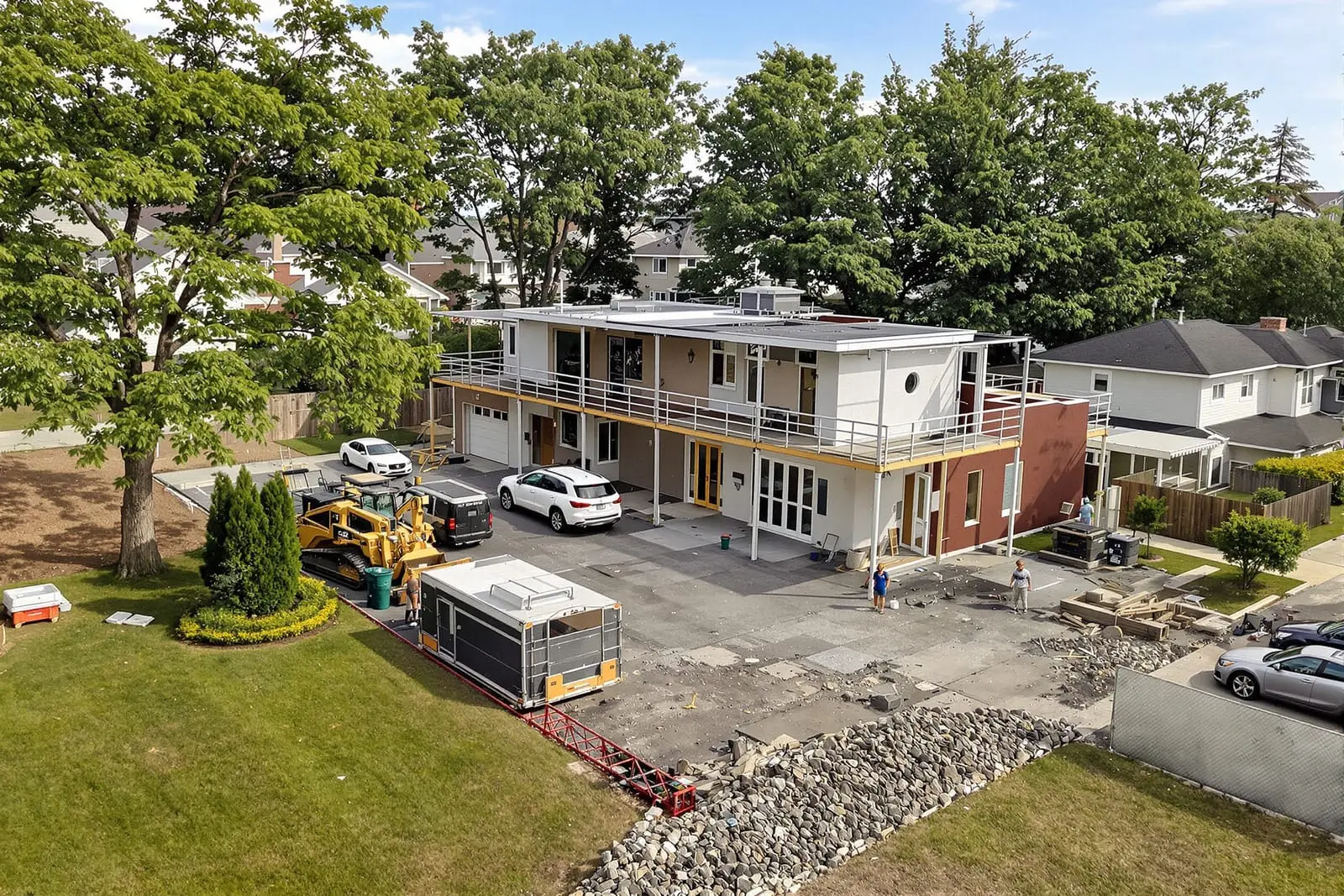
We provide selective commercial demolition in Dallas, TX to remove only the structures and systems your project requires. Our team isolates work areas, protects occupied spaces, and coordinates with other trades. From removing a single bay in a warehouse to partial facade demo, we deliver precise, low impact partial demolition.
Wrexo Demolition Dallas provides professional selective commercial demolition throughout Dallas, TX and the surrounding area. Our licensed, insured crew delivers safe, clean, on-time work with a free estimate before anything begins. Call (469) 405-5299 or request your free quote.
Selective Commercial Demolition for Working Dallas Businesses
Selective commercial demolition is about removing only what you need gone and protecting everything that needs to stay. Wrexo Demolition Dallas focuses on surgical interior and partial structure work so you can keep your building, utilities, and daily operations as intact as possible.
In practical terms, selective commercial demolition might mean gutting old office buildouts on one floor while tenants keep working on another, stripping out restaurant kitchens without touching the dining area, or removing only one side of a retail space for expansion into the next bay. We plan the work so that structural elements, fire separations, and active utilities are identified and protected from day one.
Because we work across Dallas and the surrounding suburbs, we are used to the mix of downtown high-rise tenant improvements, aging neighborhood strip centers, and mixed-use buildings. Each of these has different construction types and quirks. Our team does not treat them the same, and that is important if you want to avoid surprise damage and schedule overruns.
How the Selective Demolition Process Works on a Typical Dallas Project
A selective commercial demolition job with Wrexo Demolition Dallas usually starts with a walk-through that includes your GC, property manager, or facility engineer. We review your plans on site, look above ceilings, open access panels, and physically confirm what is behind walls when possible. On many older Dallas properties, the drawings no longer match reality, so we take field conditions seriously before we ever start removing materials.
Next, we identify the limits of work and protection zones. We use tape, temporary partitions, and floor markings to show exactly what will be removed and what must stay. This includes structural columns, rated walls, fire sprinklers, main electrical feeders, IT rooms, and any shared systems serving other tenants. If we are doing partial structural demolition, such as cutting a new opening in a masonry wall or removing part of a mezzanine, we coordinate with your engineer to install shoring before cutting.
We then create a phasing and access plan. In active buildings, this often means scheduling loud work outside of operating hours, routing debris through back corridors or loading docks, and staging dumpsters so they do not interfere with customer parking or other tenants. In Downtown and Uptown Dallas, we coordinate with building management on freight elevator windows and dock time, since these can affect your schedule as much as the demolition itself.
During demolition, we start with disconnect and make-safe tasks. This can include capping abandoned plumbing, isolating electrical circuits, removing low voltage cabling from ceilings, and isolating HVAC zones that will be affected. Only after utilities are verified safe and dry do we begin selective removal of finishes, partitions, ceilings, and mechanical equipment. We work from the top down and from clean areas toward dirty ones so the rest of your building stays usable and easier to keep clean.
Common Challenges in Partial Demolition and How We Handle Them
Partial commercial demolition almost always uncovers surprises, especially in older Dallas buildings where multiple remodels have layered systems over time. Wrexo Demolition Dallas plans for this by building contingency steps into the process so that discoveries do not shut your project down.
Hidden utilities in walls and slabs are one frequent issue. We use a combination of existing plans, non-destructive investigation, and exploratory openings before heavy demolition starts. For slab openings and trenching, we often bring in GPR (ground penetrating radar) scanning to locate conduits and post-tension cables. It is not enough to assume a slab is clear. Cutting into a conduit or PT cable leads to serious cost and schedule problems, so we invest in avoidance.
Another challenge is dust, noise, and vibration in occupied buildings. In office towers, medical spaces, and schools around Dallas, we install temporary poly walls or hard partitions, negative air machines with HEPA filters, and tacky mats at exits to reduce dust migration. We coordinate loud work like concrete breaking during off-hours or weekends when required by building rules or by the city. We also pay attention to vibration when working above sensitive spaces like server rooms or imaging suites, adjusting methods and equipment when needed.
Selective structural work brings its own risks. When removing portions of structural walls, roof openings, or sections of a mezzanine, we work directly from stamped engineering details. We install temporary shoring and sometimes needle beams before demo, then remove elements in a specific sequence so loads are always supported. We also protect fire-rated assemblies and fire stopping where selective demolition could compromise compartmentalization, then coordinate with your GC to restore ratings before inspection.
Permits, Codes, and Local Requirements for Selective Commercial Demolition in Dallas
Commercial demolition work in Dallas often requires more planning and paperwork than most owners expect, even for partial or interior projects. Wrexo Demolition Dallas can assist your team or GC with the demolition portion of permitting so you stay in step with Dallas Development Services and local fire code.
For many interior selective demolition projects, the demo work is covered under your overall building permit, but it still has to meet city and fire department requirements. When there are structural changes, changes to egress paths, openings in rated corridors, or roof penetrations, engineered drawings and a permit are typically required before we begin. We review the scope with your design team and flag items that Dallas inspectors commonly focus on, such as maintaining clear exits and protecting shared fire separation walls between tenants.
Older properties inside Dallas city limits, as well as many in the nearby suburbs, may trigger additional requirements if there is a chance of asbestos, lead-based paint, or other regulated materials. Before we disturb pipe insulation, floor tile, mastics, or certain textured coatings, an environmental survey is often required by state regulation. If your building predates the late 1980s, expect some level of testing. We coordinate our schedule with your environmental consultant so the hazardous material abatement and our selective demolition are staged correctly, not stacked on top of each other.
In high-traffic areas like Deep Ellum, the Design District, and parts of Oak Lawn, sidewalk or lane closures for debris removal may need right-of-way permits or coordination with building management. We plan dumpster placement and hauling hours around city rules and neighborhood expectations so you do not get hit with surprise restrictions after the job has started.
Costs, Scheduling, and How to Plan Your Selective Demolition Scope
Selective commercial demolition is typically more labor intensive than full gut demolition, so it is priced differently. Wrexo Demolition Dallas builds estimates around several specific factors: how much protection is required for finishes and systems that must remain, the density of utilities in the work area, access limits for workers and debris, and the types of materials being removed.
For example, removing 5,000 square feet of open office partitions with easy dock access will be less expensive per square foot than removing 2,000 square feet of heavily built-out medical space on an upper floor with limited freight elevator time. Separating clean debris from materials that need special handling also affects cost. We sort metal, clean concrete, and reusable fixtures separately when it reduces dump fees or when owners want to salvage items.
Scheduling also looks different for selective and partial work. We often phase projects so the first stage is utility make-safe and exploratory openings, followed by major demolition, then a final pass for detail work and cleanup. In live facilities, we might schedule after-hours demolition for high impact items like wall removal, concrete cutting, and duct removal, then use normal hours for low noise tasks and loading out bagged debris.
To plan your scope, it helps to decide early what must stay, what might stay if cost allows, and what must go. Bring that list to the first site visit with Wrexo Demolition Dallas. We can walk through each item and tell you what is simple to save and what is risky or costly to work around. This conversation prevents you from paying to protect low value items, and it keeps us from removing something you hoped to reuse.
Before you hire any selective commercial demolition contractor in Dallas, ask for clarity on three things: how they will protect shared systems and neighboring tenants, how they handle unexpected finds inside walls or slabs, and exactly how debris will exit the building. Detailed answers to those questions are a strong indicator you will get a controlled, predictable demolition phase instead of a disruptive one.
“
Professional selective and partial commercial demolition, done right the first time, quality materials, honest pricing, and results that last.
Wrexo Demolition Dallas
Selective and Partial Commercial Demolition Across Our Service Area